🌅 Today's Morning Call
|
S&P Futures
6,618.75
▲ +16.25 (+0.25%)
|
Nasdaq Futures
24,349.25
▲ +74.50 (+0.31%)
|
Dow Futures
46,406.00
▲ +93.00 (+0.20%)
|
|
10Y Treasury
4.33%
▼ -0.06%
|
US Dollar
99.34
▼ -0.05 (-0.05%)
|
Bitcoin
$71,057
▲ +$137 (+0.19%)
|
Data as of 8:07 AM ET
Good morning! Markets are waking up to a lighter mood this Tuesday, with futures pointing green across the board and the S&P 500 knocking on the door of another modest gain. The big story overnight involves a major shift in energy trade flows as Iranian barrels return to the global market, while chip supply concerns are bubbling back to the surface. Here's what's moving this morning.
👀 What to Watch Today
Energy markets are taking center stage as Reliance Industries confirms it purchased 5 million barrels of Iranian oil following the recent U.S. waiver approval. This development could reshape global oil flows and pricing dynamics, particularly for refiners who've been navigating tight supply conditions. Watch oil-linked ETFs like BNO and DBO for potential volatility as traders digest what this means for supply balances.On the semiconductor front, Broadcom's (AVGO) warning about TSMC (TSM) capacity constraints is raising fresh questions about chip supply heading into the second quarter. This isn't just a Broadcom problem. It signals broader tightness in advanced chip manufacturing that could ripple across the tech sector, from AI infrastructure to consumer electronics.
Ford (F) is dealing with a sizable recall of over 254,000 vehicles due to driver assistance feature failures. While recalls are routine for automakers, this one hits advanced safety systems that have become key selling points. The stock will be on watch for any signs this impacts consumer confidence or Q1 delivery timelines.
🌏 Overnight Recap
Asian markets traded mixed overnight as investors processed the Iran oil news alongside persistent Middle East tensions. Japanese equities gained modest ground while Chinese markets remained choppy, still digesting recent economic data that showed uneven recovery momentum. Energy stocks in the region saw particular attention as the Reliance purchase signals changing supply dynamics.European markets opened cautiously higher, with traders focusing on the newly finalized EU-Australia trade deal. After nearly eight years of negotiations, this agreement represents another brick in the wall as U.S. allies recalibrate economic relationships. The deal could boost everything from agricultural exports to critical minerals trade, potentially benefiting materials and industrials sectors on both continents.
Treasury yields are pulling back this morning despite yesterday's Iran-related volatility. The 10-year is down 6 basis points to 4.33%, suggesting some risk-on appetite is returning. The dollar index is softer at 99.34, which could provide a tailwind for multinationals reporting earnings in the weeks ahead.
Sponsored Content
911,000 Phantom Jobs. $90B Gov't Spending. Billionaires Exit.

Something doesn't add up. Jobs that "existed"... didn't in reality. The government deploying record AI spending. Yet Buffett holds $344B cash—his largest position EVER. Louis Navellier's grading system (46 years tracking money flows) reveals what the Wall Street elite see but won't tell you.
📊 Pre-Market Movers
Smithfield Foods (SFD) is catching a bid in early trading after crushing fourth-quarter expectations on both sales and profit. Strong packaged meat demand combined with effective cost controls delivered the beat, proving consumers are still willing to pay up for protein despite broader economic concerns. This could set a positive tone for the broader food producer space.Broadcom (AVGO) is seeing some early pressure after warning about supply constraints tied to TSMC (TSM) capacity limitations. The AI chip boom is running into the hard reality of manufacturing bottlenecks, and TSMC's advanced nodes are essentially sold out. This capacity crunch could create winners and losers depending on who secured their allocations early.
Ford (F) is trading slightly lower on the recall news, though the move isn't dramatic. The bigger question is whether this becomes a pattern with advanced driver assistance systems across the industry. Investors will want to hear how quickly Ford can remediate the issue and whether it affects the Mustang Mach-E or F-150 Lightning electric vehicle lines.
🔍 Today's Watchlist
- Iranian oil supply impact on energy sector pricing and refiner margins
- TSMC capacity warnings spreading to other chip designers beyond Broadcom
- Food producer earnings momentum following Smithfield's strong quarter
- Treasury yield direction amid easing geopolitical premium
- Auto sector response to Ford's advanced safety system recall
Sponsored Content
This Makes Me Furious
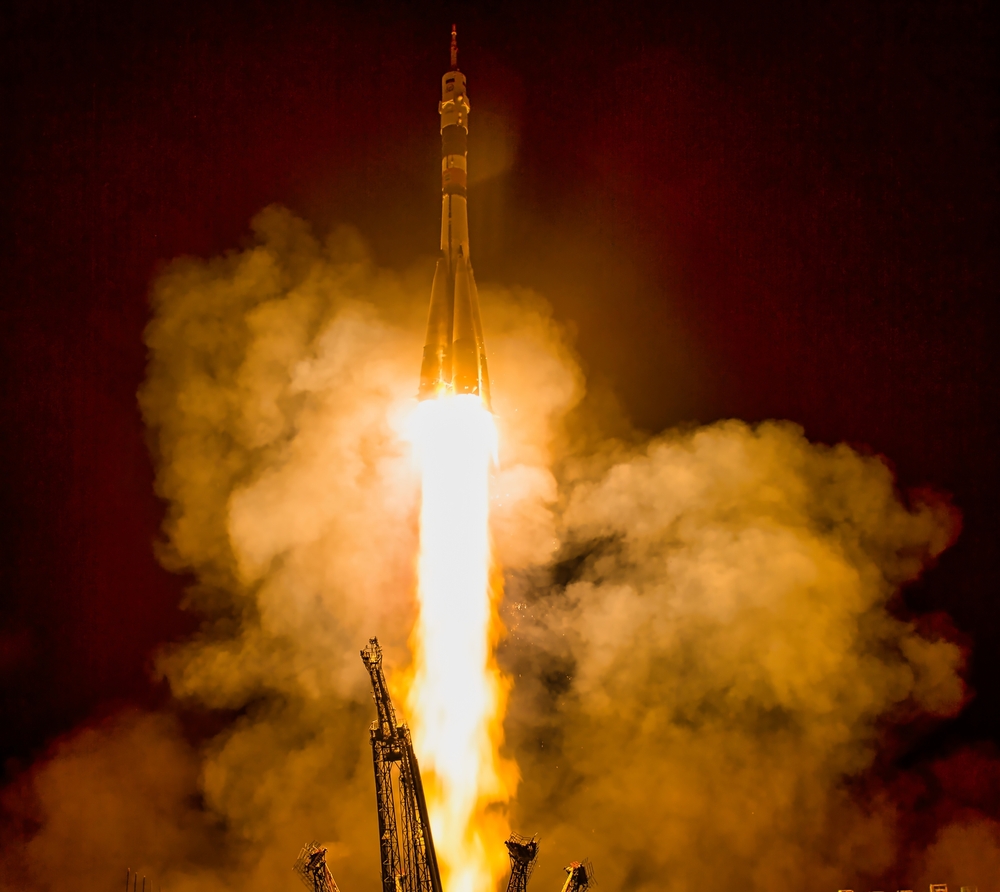
For decades, Wall Street insiders have secured the biggest IPO gains before the public ever gets a shot. Now, one economist says everyday investors may have a rare window to position ahead of a potential $1.5 trillion SpaceX offering.
🎯 The Morning Playbook
Today's setup favors a selective approach. The Iranian oil development is genuinely significant for energy markets, potentially pressuring crude prices if more barrels start flowing regularly. That's a headwind for energy names but a tailwind for refiners and chemical companies with heavy feedstock costs. Watch the spread between Brent and WTI for clues.On the tech side, Broadcom's capacity warning is a reminder that the AI infrastructure buildout faces real-world constraints. Not every chip company has locked in the fab capacity it needs for 2026. This could create trading opportunities as the market figures out who's capacity-rich versus capacity-poor. The semiconductor space might get choppy.
With futures modestly green and yields backing off, the path of least resistance seems higher for equities this morning. But don't ignore the cross-currents. Middle East tensions haven't disappeared, trade relationships are shifting, and supply chains remain fragile. Stay nimble, watch those opening prints, and remember that pre-market moves don't always survive the first hour of trading.